When winter finally breaks in Southern Ontario, the transition can happen fast. One week you are looking at stubborn snowbanks along Yonge Street or Sheppard Avenue, and the next, the ground is thawing out, exposing a compressed, brown mat of dormant grass.
For homeowners living in North York neighborhoods like Willowdale, Bathurst Manor, Clanton Park, and Armour Heights, spring is a critical window. The choices you make during April and May dictate how resilient your property will be against the scorching heat of July and August.
A thorough spring cleanup is more than an aesthetic preference; it is a foundational reset for your soil, roots, and turf. This step-by-step guide walks you through a professional-grade spring yard maintenance routine tailored specifically to our unique North York climate, soil conditions, and municipal regulations.
1. Inspect and Clear Winter Debris
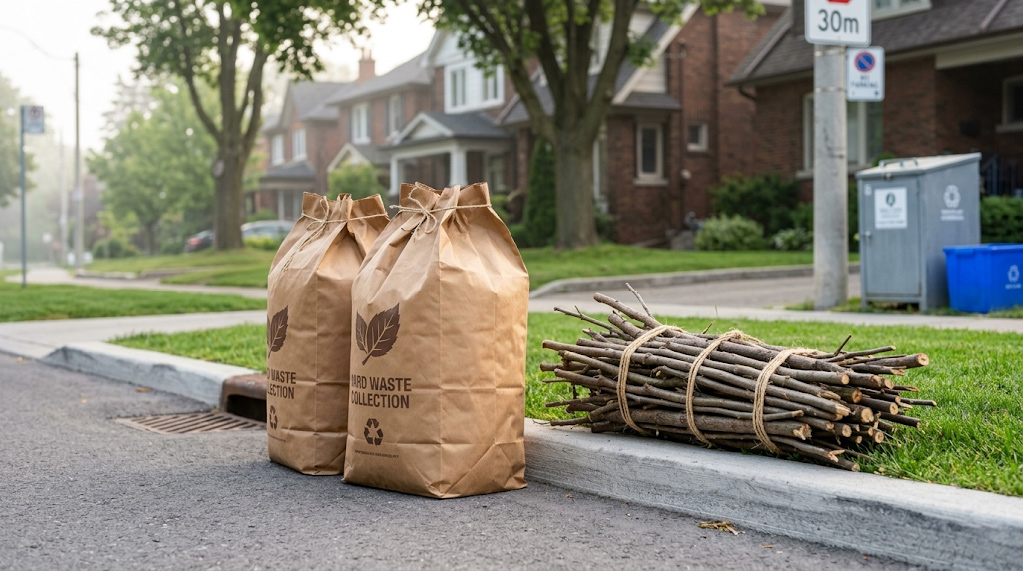
The first phase of any effective spring cleanup involves a thorough assessment of your property. Winter storms frequently leave behind a mess of broken tree limbs, pinecones, scattered gravel from city snowplows, and deeply matted leaf piles.
Leaving this debris on your lawn blocks sunlight and traps moisture underneath. This creates a prime breeding ground for fungal diseases, such as snow mold, which thrives in cool, damp conditions.
Systematic Debris Removal
Begin at the perimeter of your home and work your way outward. Gather fallen branches and twigs, and check the edges of your driveway and walkways for displaced gravel. Heavy road salt and gravel can migrate onto your turf during winter plowing, which alters the soil composition and prevents healthy grass growth. Collect this gravel early before it gets pushed down into the soil matrix.
Municipal Bagging Regulations in Toronto
As you collect yard waste, keep the City of Toronto’s waste collection rules in mind:
- All organic yard waste must be placed in official Kraft paper bags or clearly marked open containers.
- Plastic bags are strictly prohibited for yard waste collection and will be left on the curb.
- Tie brush and tree limbs in secure bundles no longer than 1.2 metres (4 feet) and no wider than 60 centimetres (2 feet) using biodegradable twine.
2. Address Snow Mold and Rake Deeply
As the snow melts away across North York properties, you might notice fuzzy, pink, or gray patches of matted grass. This is snow mold, a common cold-weather fungal infection that takes hold when snow covers unfrozen ground or sits on top of unraked autumn leaves.
[Winter Snow Cover + Long Grass/Leaves] —> [Trapped Moisture & Cool Temps] —> [Snow Mold Development]
How to Treat Snow Mold
The most effective remedy for snow mold is simple mechanical airflow. Take a flexible spring lawn rake and gently work through the affected patches. Your goal is to separate the matted grass blades without pulling the healthy roots out of the damp spring soil. Fluffing up these patches allows the wind and sun to dry out the turf, which naturally stops the fungal growth cycle.
The Gentle First Rake
Even if you do not see obvious signs of snow mold, a light, thorough raking is highly beneficial across your entire lawn. This wakes up the grass blades, removes superficial dead material, and improves air circulation around the crown of the grass plant. Avoid using heavy, rigid iron garden rakes at this stage, as the spring ground is often soft and vulnerable to tearing.
Important Pruning Note: Avoid pruning spring-blooming shrubs like lilacs, forsythia, and rhododendrons early in the spring. These plants set their flower buds during the previous autumn. Pruning them now removes this year’s flowers. Wait until immediately after they finish blooming to prune them.
3. Dethatch to Allow Your Lawn to Breathe
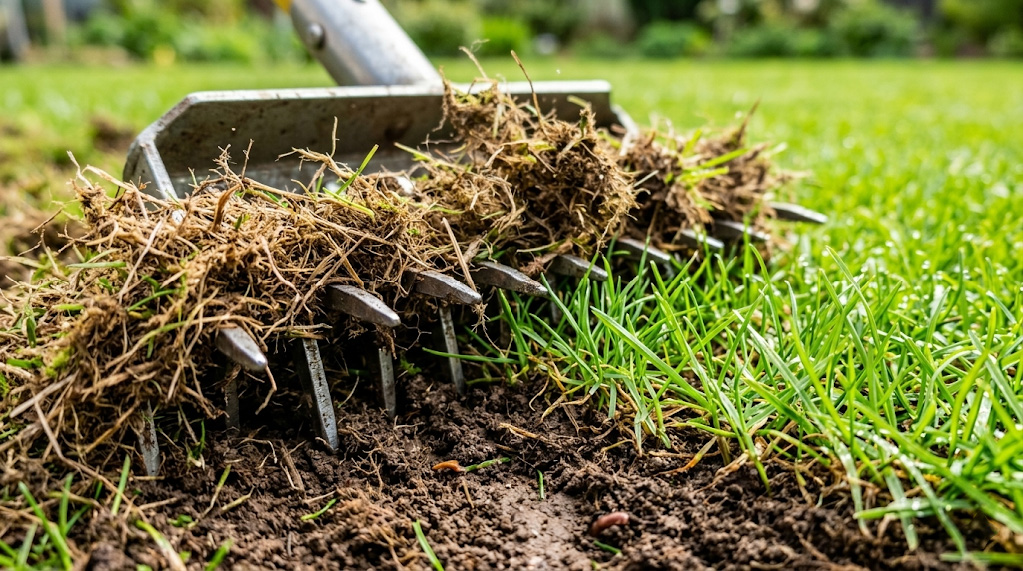
Lawn thatch is a layer of living and dead organic matter, including stems, shoots, and roots, that accumulates between the green vegetation and the soil surface. A thin layer of thatch (less than half an inch) is perfectly healthy, acting as an organic mulch that insulates soil roots and reduces evaporation.
However, when thatch builds up beyond that threshold, it creates a tight barrier that seals off your lawn. Water sits on top of the thatch instead of reaching the root zone, and fertilizer cannot penetrate down to where it is needed most.
The Thatch Test
To check your thatch levels, cut a small, wedge-shaped slice out of your lawn down to the soil level. Measure the spongy brown layer situated directly beneath the green blades. If it exceeds 1.3 centimetres (about half an inch), your lawn requires a dedicated dethatching session.
Manual vs. Power Dethatching
For small urban yards in areas like Bedford Park, a specialized manual dethatching rake (featuring sharp, crescent-shaped tines) works perfectly. For larger properties, renting a mechanical power dethatcher or hiring a professional team saves significant time and physical exertion.
The ideal time to dethatch in North York is mid-to-late spring, right when the grass is actively growing and can quickly recover from the stress of the process.
4. Remediate Soil Compaction via Core Aeration
North York covers a wide geographic footprint, and soil profiles can vary considerably. However, many residential pockets sit on top of heavy, clay-heavy subsoils. Clay soil is highly prone to compaction, particularly in high-traffic zones, along walkways, and where heavy winter snowbanks accumulated.
When soil becomes compacted, the tiny pore spaces that hold oxygen and water collapse. The roots are essentially suffocated, leading to thin, patchy growth and increased weed vulnerability.
Understanding Core Aeration
Core aeration is the mechanical process of pulling cylindrical plugs of soil and thatch out of the ground. Unlike spike aerators, which simply push the soil aside and can actually increase localized compaction, a core aerator removes an actual plug, leaving a clean hole.
- Spike Aerator: [ | ] Packs soil sideways, increasing compaction around the hole.
- Core Aerator: [ U ] Removes a physical plug, creating true space for soil to expand.
The Long-Term Benefits of Aeration
- Enhanced Root Development: Roots finally have physical space to spread out, dive deeper, and anchor firmly.
- Improved Water Penetration: Spring rains flow directly into the root zone instead of pooling on the surface or running off into city storm drains.
- Optimized Nutrient Intake: Applied fertilizers and compost mixes make direct contact with the root system, minimizing nutrient waste.
For optimal results, leave the pulled soil cores sitting right on the lawn. They will naturally break down over the course of a few weeks under spring rain showers, returning valuable microbes and organic matter back into the surface layer.
5. Overseed and Top-Dress for a Dense Lawn
If your yard looks thin, patchy, or exhausted after a long Ontario winter, overseeding is the ideal remedy. Introducing fresh, high-quality grass seed fills in bare spots and crowds out opportunistic weeds like crabgrass and dandelions before they can take root.
Selecting the Right Seed Blend for Southern Ontario
Do not buy generic, cheap grass seed. For the North York climate, look for premium, certified mixes containing a blend of:
- Kentucky Bluegrass: Excellent for full sun, highly resilient, and features a self-healing spreading habit.
- Perennial Ryegrass: Germinates incredibly fast (often within 7 to 10 days) and offers great wear tolerance.
- Fine Fescues: Highly shade-tolerant, making them ideal for properties with mature tree canopies.
| Grass Seed Type | Sunlight Requirement | Germination Speed | Best Feature |
| Kentucky Bluegrass | Full Sun | Slow (14–21 days) | Spreads and heals itself |
| Perennial Ryegrass | Full Sun to Partial Shade | Fast (7–10 days) | Highly wear-resistant |
| Fine Fescues | Deep to Partial Shade | Medium (10–14 days) | Exceptional shade tolerance |
The Power of Top-Dressing
To give your new seed the absolute best chance of survival, pair your overseeding with a thin top-dressing of high-quality organic compost or fine loam. Spread a layer roughly 0.5 centimetres thick over the lawn, then lightly rake it in.
This top-dressing provides essential nutrients, protects the seed from hungry birds, and retains the consistent moisture required for successful germination. Keep the overseeded areas damp by watering lightly once or twice a day until the new grass reaches mowing height.
6. Sustainable Spring Fertilization and Weed Control
It is tempting to rush out and apply heavy synthetic fertilizers at the very first sign of green grass, but patience pays off. Applying nitrogen too early forces rapid, tender top growth before the root system has recovered from winter dormancy. This leaves the plant weak, structurally unstable, and highly susceptible to early-summer pest infestations.
Waiting for the Right Temperature
Wait to fertilize until your grass is actively growing and you have mowed it at least once or twice. In North York, this usually happens in mid-May. Opt for a slow-release, granular organic fertilizer. Slow-release formulas break down gradually over several weeks, feeding the lawn a steady diet of nutrients rather than an artificial spike that can burn tender young roots.
Eco-Friendly Weed Management in Toronto
Under Ontario’s strict cosmetic pesticide ban, maintaining a dense, thick, and properly mowed lawn is your best defense against weed infestations.
For existing weeds, manual extraction with a dedicated weeding tool remains highly effective. Ensure you pull the entire taproot out of the ground to prevent the weed from regenerating. For larger problem areas, look for eco-friendly, iron-based selective herbicides approved for use in Ontario. These products selectively target broadleaf weeds without harming the surrounding turf.
The Ultimate North York Spring Cleanup Checklist
Keep your weekend projects on track with this scannable reference checklist as you work through your spring property maintenance.
- Debris Sweep: Rake up twigs, branches, gravel, and remaining autumn leaf litter.
- Snow Mold Check: Gently fluff up any matted, fuzzy patches of grass to maximize airflow.
- Bagging Compliance: Pack yard waste into Kraft paper bags or bundles tied with biodegradable twine.
- Thatch Assessment: Check if the spongy thatch layer is thicker than 1.3 centimetres; dethatch if necessary.
- Core Aeration: Drive out soil compaction, especially in high-traffic or clay-heavy areas.
- Overseeding: Spread a premium grass seed mix matched to your yard’s sunlight levels.
- Top-Dressing: Apply a thin layer of organic compost to nourish the soil and protect new seeds.
- Smart Fertilization: Wait until mid-May to apply a slow-release organic fertilizer.
- Natural Weed Control: Pull dandelions manually or spot-treat with approved iron-based alternatives.
People Also Ask (FAQ)
- When should I start my spring lawn cleanup in North York?
The ideal timing depends entirely on the weather, but a good rule of thumb is to wait until the snow has completely melted and the ground is firm enough to walk on without leaving muddy footprints. Working on waterlogged, soggy soil can damage fragile grass crowns and worsen soil compaction. For most North York properties, this window opens up between mid-April and early May.
- How do I properly dispose of yard waste in the City of Toronto?
The City of Toronto collects yard waste on a bi-weekly schedule from spring through autumn. You must use brown paper Kraft bags or clear, open-ended garbage bins marked with a “Yard Waste” sticker. Do not use plastic bags, as city crews will not collect them. Ensure bundles of branches are tied securely with natural twine and match the city’s size limits.
- Is it better to aerate my lawn in the spring or the autumn?
While autumn is generally considered the absolute best time to aerate cool-season grasses in Ontario, spring aeration is highly beneficial for lawns suffering from severe compaction, heavy clay, or poor drainage. If your soil feels rock-hard in May or water pools on your lawn after a rainstorm, do not wait until autumn to fix it.
- Can I apply grass seed and weed control at the same time?
If you are using traditional pre-emergent weed control products, they will prevent your new grass seeds from germinating just as effectively as they stop weeds. However, because Ontario relies on mechanical weeding and natural spot treatments, you can safely overseed your lawn while manually removing weeds or applying iron-based spot solutions directly to mature target weeds.
Elevate Your Curb Appeal This Season
A pristine lawn does not happen by accident. It requires consistent effort, the right timing, and a deep understanding of local soil and climate conditions. By following this structured spring cleanup checklist, you give your property the structural foundation it needs to thrive all summer long.
If you are pressed for time, lack the heavy equipment required for core aeration, or simply want to reclaim your weekends, consider outsourcing the heavy lifting. Choosing a specialized regional provider ensures your yard receives expert care from a team that knows your neighborhood’s specific challenges intimately. Look for a reliable local service provider like JPS Property Solutions to transform your property into a healthy, vibrant outdoor space without the weekend hassle.
Get the Golf Course Look Without the Weekend Work
Managing a proper spring cleanup takes hours of heavy lifting, specialized equipment, and precise timing. At JPS Property Solutions, we handle the hard work for you using our professional, 100% electric, whisper-quiet fleet.
If you live in Bathurst Manor, Clanton Park, Willowdale, Armour Heights, or Bedford Park, we want to help you kickstart the season.
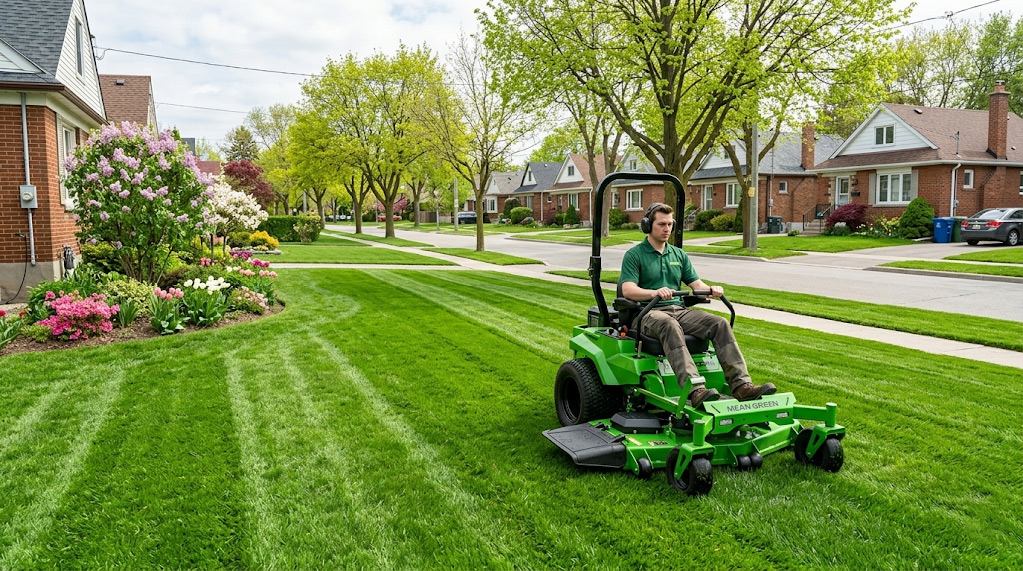
Exclusive May Offer: Book your estate property assessment this month, and our team will provide a complimentary V-Trench Edge Demonstration right on your property. See the crisp, professional difference for yourself before committing to a plan.
Request Your Free Property Assessment Today or call our local team directly at 647-495-6307.