Spring in Toronto is beautiful, but for many homeowners in North York, Willowdale, and Bathurst Manor, it comes with a messy side effect: the “Spring Soup.” Between the heavy snowmelt and our signature April showers, your lush green lawn can quickly turn into a muddy pit that’s off-limits for kids and pets.
If you’re staring at a swampy backyard, don’t panic. Here is your professional guide to reclaiming your turf this season.
1. The Golden Rule: Stay Off the Grass
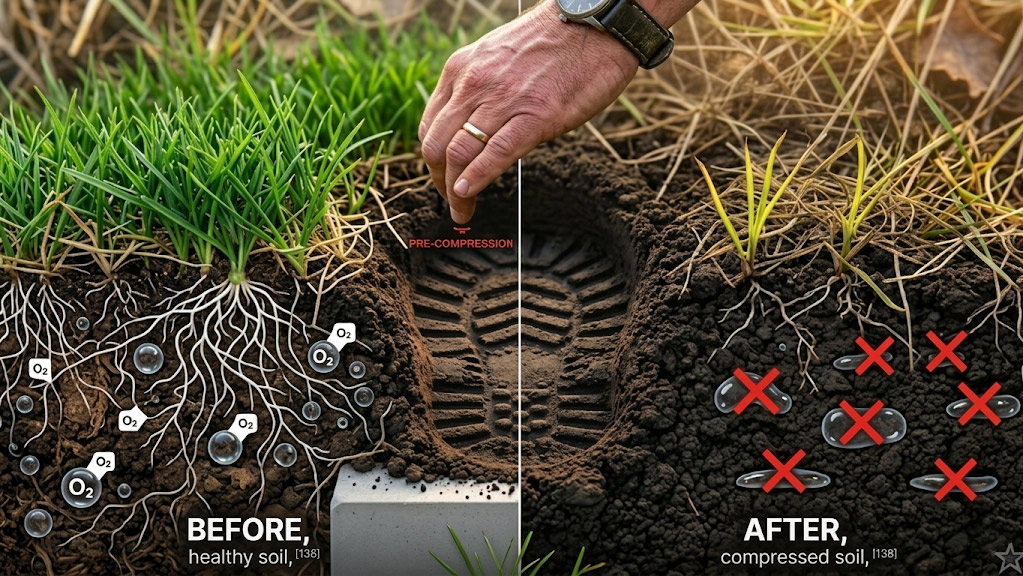
It’s tempting to get out there and start raking as soon as the sun hits, but patience is your best tool. Walking on waterlogged soil compresses it, squeezing out the oxygen pockets that grass roots need to breathe. This leads to soil compaction, which makes drainage even worse in the future.
- Pro Tip: If your foot leaves a visible sinkage or a “squish” sound, it’s too wet. Wait until the soil is damp but firm.
2. Clear the Winter Debris
Once the ground has firmed up, clear away the “winter crust.” Matted leaves, fallen branches, and leftover salt from the driveway can suffocate the grass underneath.
At JPS Property Solutions, we include Spring Restoration in our Estate Membership specifically to handle this. We use professional-grade power blowers and dethatching tools to clear the way for new growth without damaging the fragile spring shoots.
3. Aerate to Improve Drainage
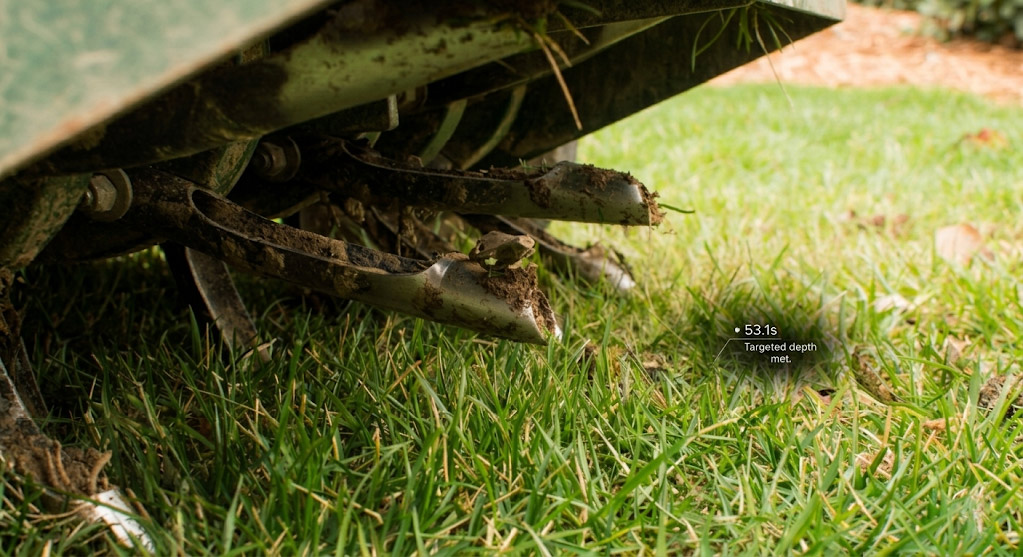
The biggest reason for a muddy lawn in Toronto is compaction. Our local clay-heavy soil gets packed down tight over the winter. Core aeration involves pulling small plugs of soil out of the ground, allowing water to sink deeper into the earth rather than sitting on the surface.
4. Overseed and Top-Dress
Mud thrives where grass is thin. Once you’ve aerated:
- Top-dress: Apply a thin layer (about 1/4 inch) of high-quality organic topsoil or compost.
- Overseed: Use a premium seed blend designed for Ontario’s climate. This fills in the “bald spots” where mud usually forms.
5. Level Out Low Spots
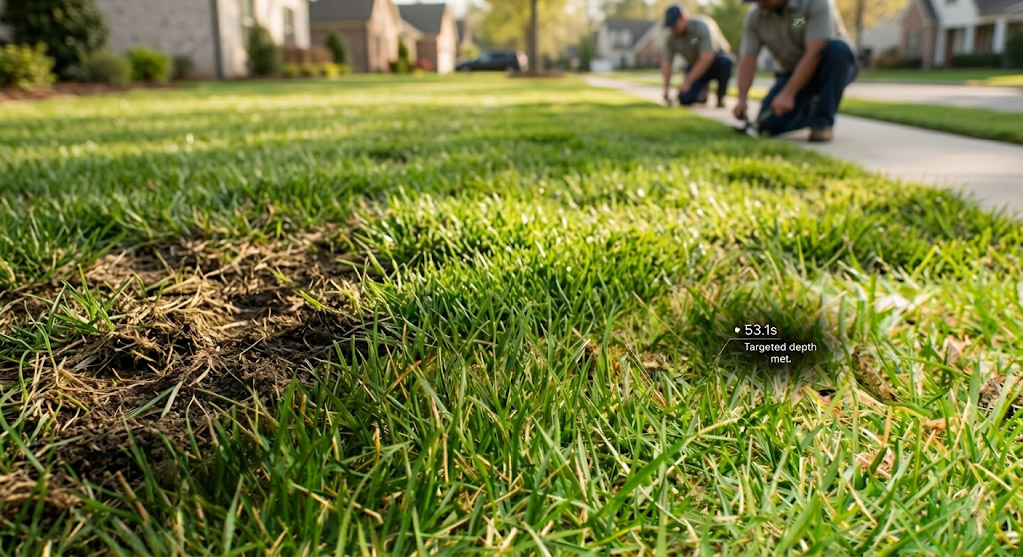
If you notice specific “ponds” forming every time it rains, you likely have low spots in your grading. You can fix these by filling them with a mix of 50% sand and 50% topsoil. This “heals” the dip while allowing the grass to grow through.
Prevent the Mud with a Year-Round Plan
The secret to a mud-free spring isn’t just what you do in April—it’s how you manage the lawn all year. A healthy, thick root system acts like a sponge, soaking up excess water before it can turn your yard into a mess.
Why North York Homeowners Trust JPS:
- Local Expertise: We focus exclusively onNorth Toronto and North York (Bathurst Manor, Clanton Park, Armour Heights, etc.). We know the soil here better than anyone.
- Pro-Grade Equipment: We use commercial gas equipment that provides a cleaner cut and better soil management than consumer-grade mowers.
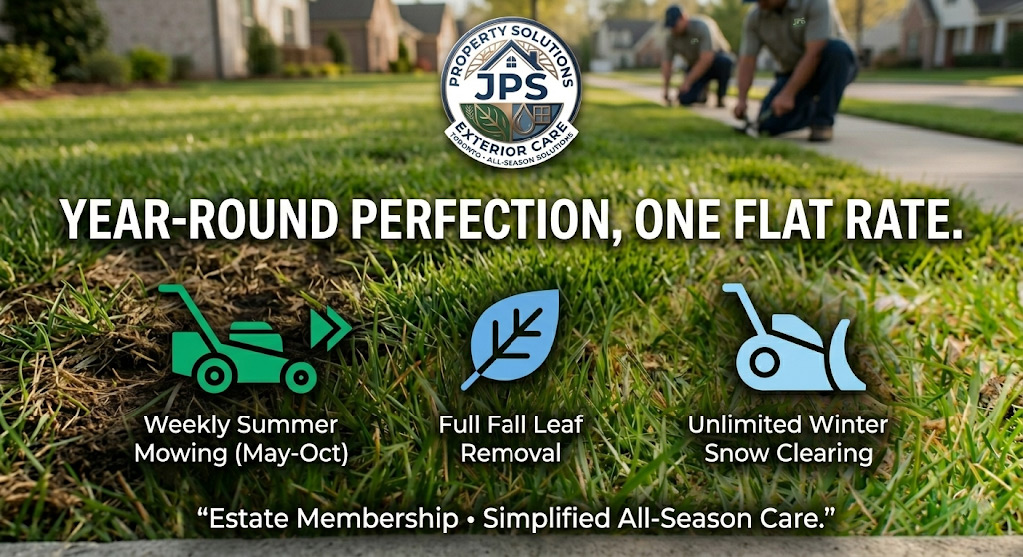
- The Estate Membership: Why worry about mud, mowing, or snow? OurFull Year Plan covers everything from weekly summer mowing to unlimited winter snow clearing for one flat monthly rate.
🌸 April Special: Get Your Spring Restoration FREE!
Don’t spend your weekends fighting the mud. Sign up for the JPS Estate Membership before April 30th, and we’ll include your Spring Restoration (a $300 value) for FREE.
We’ll handle the debris removal, the first edge of the season, and the dethatching so you can just enjoy the results.
Get My Free Quote Now or call us at 647-495-6307.