Quick Answer
The best drought-resistant landscaping for North York yards combines native and adapted plants (coneflower, black-eyed Susan, switchgrass), low-water ground cover, mulch to lock in moisture, and drought-tolerant grasses like tall fescue. These designs cut watering, survive North York’s hot, dry summer stretches, and still look polished with regular professional upkeep.
North York summers are unpredictable. One week we’re dealing with torrential downpours, and the next, our lawns are baking under a multi-week dry spell, and the City of Toronto regularly asks residents to limit outdoor watering during peak demand. A drought-resistant yard handles both extremes without turning brown, without a daily hose habit, and without becoming a weekend chore.
This guide covers what drought-resistant landscaping actually is, which plants and grasses thrive in our climate, design ideas for front yards and backyards of every size, and how to keep it all looking sharp year-round. We built this specifically for homeowners in North York, where we maintain properties every week.
What Is Drought-Resistant Landscaping?
Drought-resistant landscaping is a yard design that stays healthy with minimal water. It relies on plants suited to local conditions, soil that holds moisture, and layouts that reduce thirsty lawn area. The goal is a property that looks intentional and cared-for while needing far less irrigation than a traditional turf yard.
It is sometimes called drought-tolerant landscaping or, in drier climates, xeriscaping. In North York, you do not need cactus and gravel. You need the right mix of hardy perennials, smart grass choices, and good soil prep.
Why It Matters in North York
Hardiness zone 6 (much of the GTA, per Natural Resources Canada plant hardiness mapping) gives us cold winters and increasingly hot, dry summers. Plants chosen for this range survive both, which means less replacement, less water, and a yard that holds up through August.
What Are Some Drought-Resistant Plants for North York Climate?
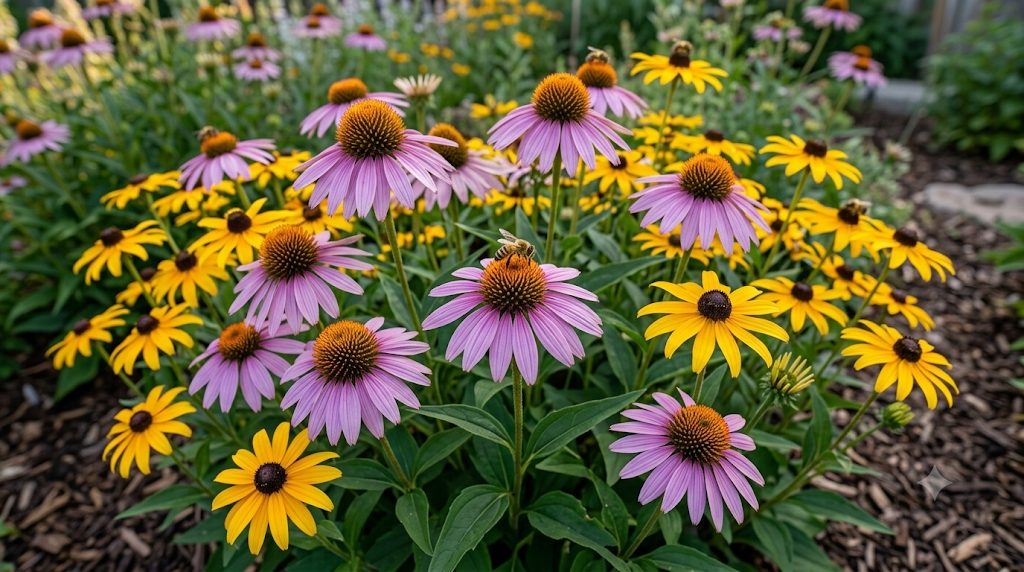
The best drought-resistant plants for North York are hardy perennials and native species with deep roots that find their own moisture. They establish themselves in one or two seasons, then largely take care of themselves.
| Plant | Type | Why It Works Here |
| Purple Coneflower (Echinacea) | Native perennial | Deep taproot, blooms through dry summer, pollinator-friendly |
| Black-Eyed Susan (Rudbeckia) | Native perennial | Tough, long-blooming, spreads to fill beds |
| Russian Sage | Perennial shrub | Silver foliage, thrives in heat and poor soil |
| Daylily | Perennial | Nearly indestructible, handles neglect and drought |
| Sedum / Stonecrop | Succulent ground cover | Stores water in leaves, excellent low-water filler |
| Switchgrass & Little Bluestem | Ornamental grasses | Native prairie grasses, structure and movement, zero fuss |
| Yarrow | Native perennial | Fern-like foliage, flowers in heat, spreads as ground cover |
| Catmint (Nepeta) | Perennial | Long bloom, drought-proof, deer-resistant |
How to Choose the Right Plants for Your Yard
Match the plant to the spot. Walk your yard and note where the sun hits hardest and where water pools after rain. Then choose accordingly:
- Full sun, dry corners: Russian sage, sedum, coneflower, ornamental grasses.
- Part shade: hosta, ferns, and astilbe (more water-loving, so group them together).
- Slopes and edges: yarrow, daylily, and creeping thyme to hold soil and cut mowing.
What Types of Drought-Resistant Grass Grow Best Here?
For homeowners who still want a real lawn, the most drought-resistant grass for the North York area is tall fescue, often blended with fine fescues. These cool-season grasses have deeper roots than standard Kentucky bluegrass and stay greener through dry spells.
- Tall fescue: deep-rooted, heat-tolerant, the top low-water choice for our climate.
- Fine fescue blends: excellent for shadier, lower-traffic areas and need little water.
- Kentucky bluegrass mixes: the GTA standard; choose drought-improved cultivars and overseed with fescue for resilience.
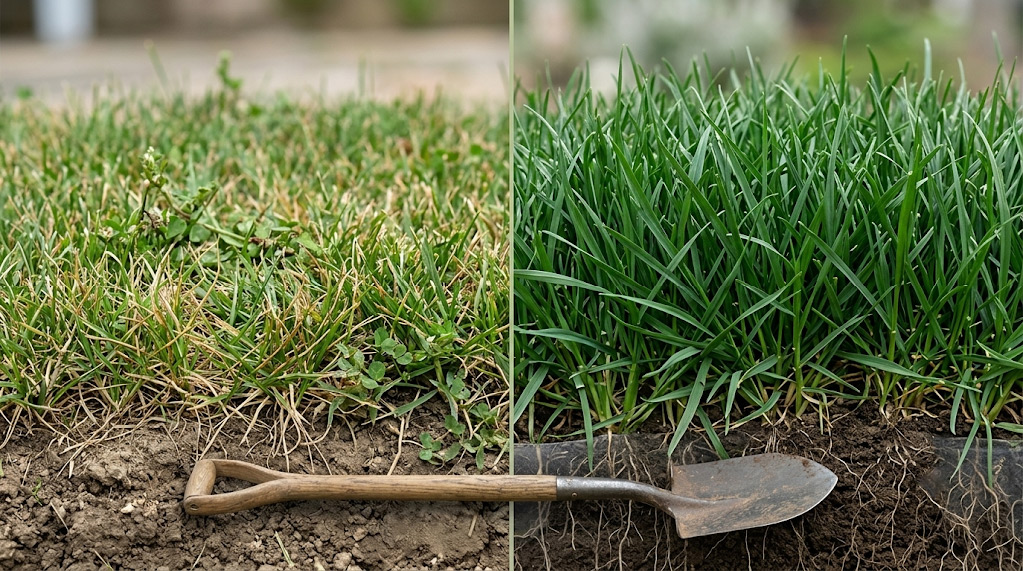
A simple upgrade for any existing lawn: mow higher (around 3 inches). Longer blades shade the soil, hold moisture, and crowd out weeds, which means less watering all summer.
Drought-Resistant Landscaping Ideas by Yard Type
Good drought-resistant design is not one look. It scales from a compact front strip to a full backyard. Here are landscaping ideas organized by what you are working with.
Landscaping Ideas for a Small Front Yard
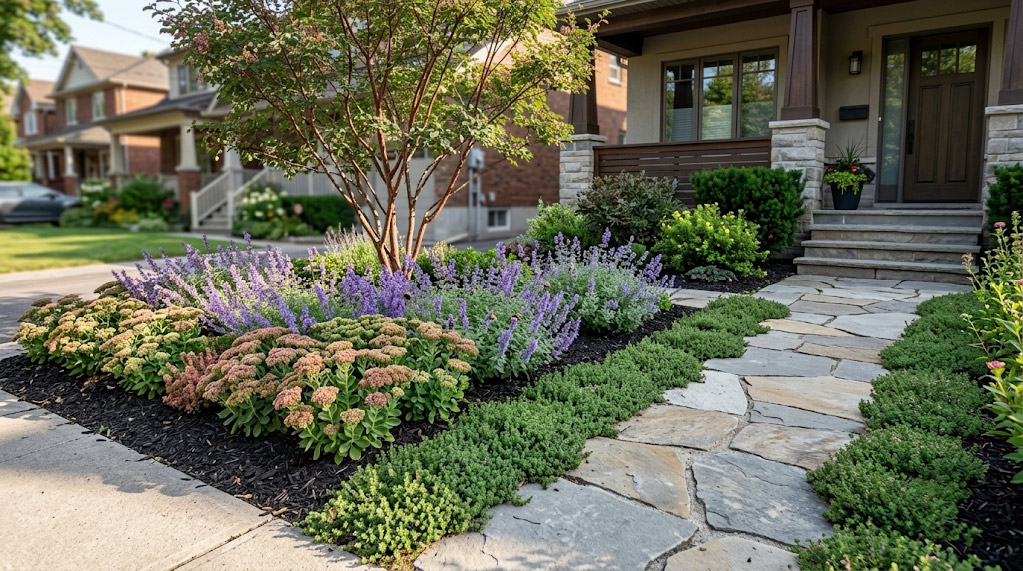
- Replace thirsty turf with a mulched perennial bed of coneflower, catmint, and a single ornamental grass for height.
- Use a gravel or flagstone path to cut lawn area and add structure.
- Add one anchor shrub or small tree for shade, which lowers water needs for everything beneath it.
Landscaping Ideas for the Front of the House
- Layer plants by height against the foundation: low sedum in front, mid daylilies, taller Russian sage behind.
- Choose a limited palette (two or three plant types repeated) for a clean, high-end look that reads as designed, not overgrown.
- Edge beds crisply. Sharp edging is what separates a premium property from an average one.
Landscaping Ideas for Backyards
- Define a smaller, healthier lawn zone with fescue, then surround it with low-water beds and a patio or deck.
- Use native ornamental grasses en masse for privacy and movement without a thirsty hedge.
- Group plants by water need (“hydrozoning”) so the few thirsty plants are together and easy to spot-water.
Privacy Without a Thirsty Hedge
Looking for privacy fence alternatives? Tall native grasses like switchgrass, a row of columnar junipers, or a slatted screen softened with drought-tolerant climbers all create boundaries that survive dry summers and skip the constant trimming and watering a cedar hedge demands.
How Do I Keep a Drought-Resistant Yard Looking Premium?
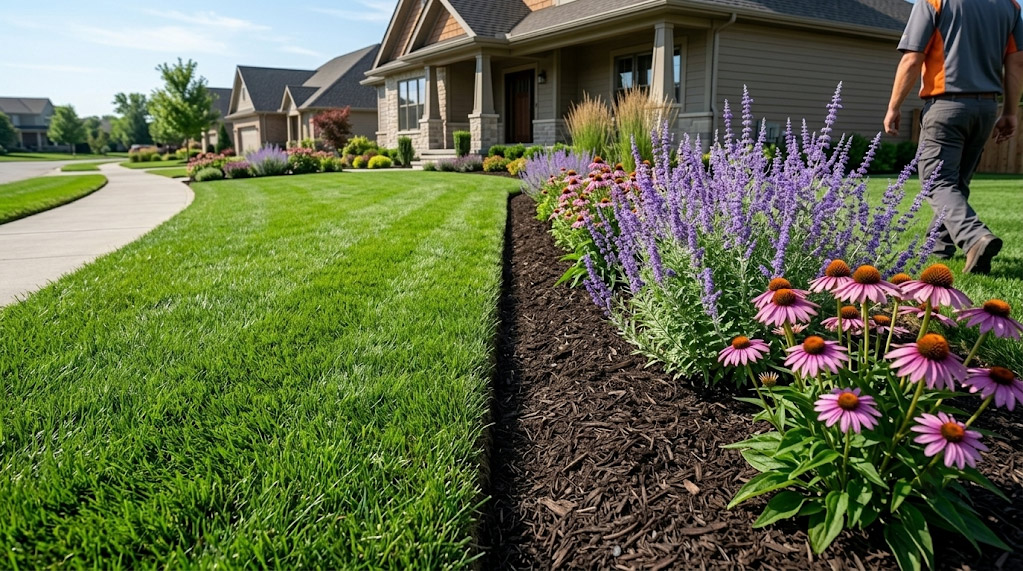
Drought-resistant does not mean maintenance-free. Low-water yards still require clean trimming, weeding, and seasonal debris removal to look intentional rather than wild.
“A drought-tolerant yard is only as premium as the edges around it.”
Crisp, golf-course style edging and weekly grooming are what separate a premium, intentionally designed property from an overgrown lot. Because our routes are tightly capped exclusively within Bathurst Manor, Willowdale, Clanton Park, Bedford Park, and Armour Heights, the exact same crew cares for your property at the same time every week.
Our Peace of Mind Membership bundles weekly mowing, precision trimming and edging, spring and fall cleanup, and full winter snow clearing into one predictable monthly plan. No managing contractors. No surprise invoices. Just a property that always looks the way it should.
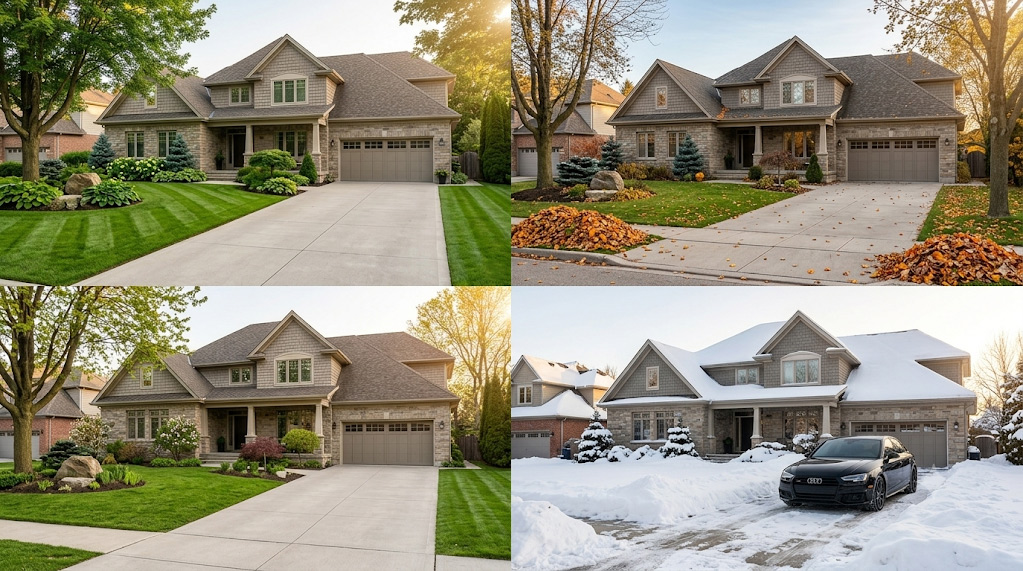
Stop Managing Your Property. Start Enjoying It.
One membership. 365 days of peace of mind across Bathurst Manor, Willowdale, Clanton Park, Bedford Park, and Armour Heights.
See the Peace of Mind Membership
Frequently Asked Questions
- What is the most drought-resistant landscaping for a North York front yard?
A mulched perennial bed of native plants like coneflower, black-eyed Susan, and ornamental grasses, paired with a smaller fescue lawn or a gravel path. This design needs minimal water, survives hot summers, and looks intentional and high-end with regular edging and upkeep.
- What are the best drought-resistant plants for the North York climate?
Purple coneflower, black-eyed Susan, Russian sage, daylily, sedum, yarrow, catmint, and native ornamental grasses such as switchgrass and little bluestem. All are hardy in our zone, deep-rooted, and thrive through dry spells with little to no watering once established.
- What type of grass is most drought-resistant in Ontario?
Tall fescue is the most drought-resistant grass for the North York area, thanks to its deep roots and heat tolerance. Fine fescue blends suit shadier spots, and overseeding a bluegrass lawn with fescue improves overall drought resilience.
- Does drought-resistant landscaping still need maintenance?
Yes. Low-water yards need less frequent watering, but they still require edging, weeding, mulch refreshes, and seasonal cleanup to look premium rather than overgrown. The lighter, scheduled workload makes them well suited to a year-round maintenance membership.
- Can I have a drought-resistant yard and still keep a lawn?
Absolutely. The smart approach is a smaller, healthier lawn zone using drought-tolerant fescue, surrounded by low-water perennial beds and hardscaping. You keep usable green space while cutting overall water use and maintenance.
- Does JPS Property Solutions design drought-resistant landscaping?
JPS focuses on year-round property maintenance: weekly mowing, trimming, edging, spring and fall cleanup, and winter snow clearing across select North York and its neighbourhoods. We keep your landscaping, including low-water designs, looking polished every week. Reach out through jpsnorthyork.ca to see if your street is on our route.
JPS Property Solutions
Owner-operated property maintenance for Bathurst Manor, Willowdale, Clanton Park, Bedford Park & Armour Heights. Sources referenced: City of Toronto outdoor water use guidelines; Natural Resources Canada Plant Hardiness Zones.